
The Future of Cool: Understanding the Switch to New AC Refrigerants in Colorado Springs
When you think about your home's air conditioner, you probably picture the unit outside or the cool air coming from your vents. But deep inside that system is a critical component you rarely see: refrigerant. This substance is the lifeblood of your cooling system, and it's currently undergoing the biggest change in decades. New federal regulations are phasing out the long-standing standard refrigerant, R-410A, in favor of more environmentally friendly alternatives. For homeowners in The Springs, this shift brings up important questions about efficiency, cost, and the future of home comfort. At Air Conditioning Plus, Inc., we believe in empowering our customers with knowledge. This guide will walk you through what’s changing, why it matters for our planet and your wallet, and how you can make the best decision for your home.
Why the Change? A Quick Look at GWP and the AIM Act
For years, the most common refrigerant in residential air conditioners has been R-410A. While effective, it has a high Global Warming Potential (GWP), a measure of how much heat a gas traps in the atmosphere. As part of a global effort to reduce climate impact, the U.S. Environmental Protection Agency (EPA) is implementing the American Innovation and Manufacturing (AIM) Act. This act mandates a significant reduction in the production and use of high-GWP substances like R-410A.
The goal is to transition the entire industry to new refrigerants with a much lower GWP. This isn't just about compliance; it's a forward-thinking step toward greater energy efficiency and environmental stewardship. These new regulations are driving innovation, leading to the development of next-generation heating and cooling systems that are not only better for the environment but also more efficient to operate, which is great news for your utility bills.
What This Means for Your Current HVAC System
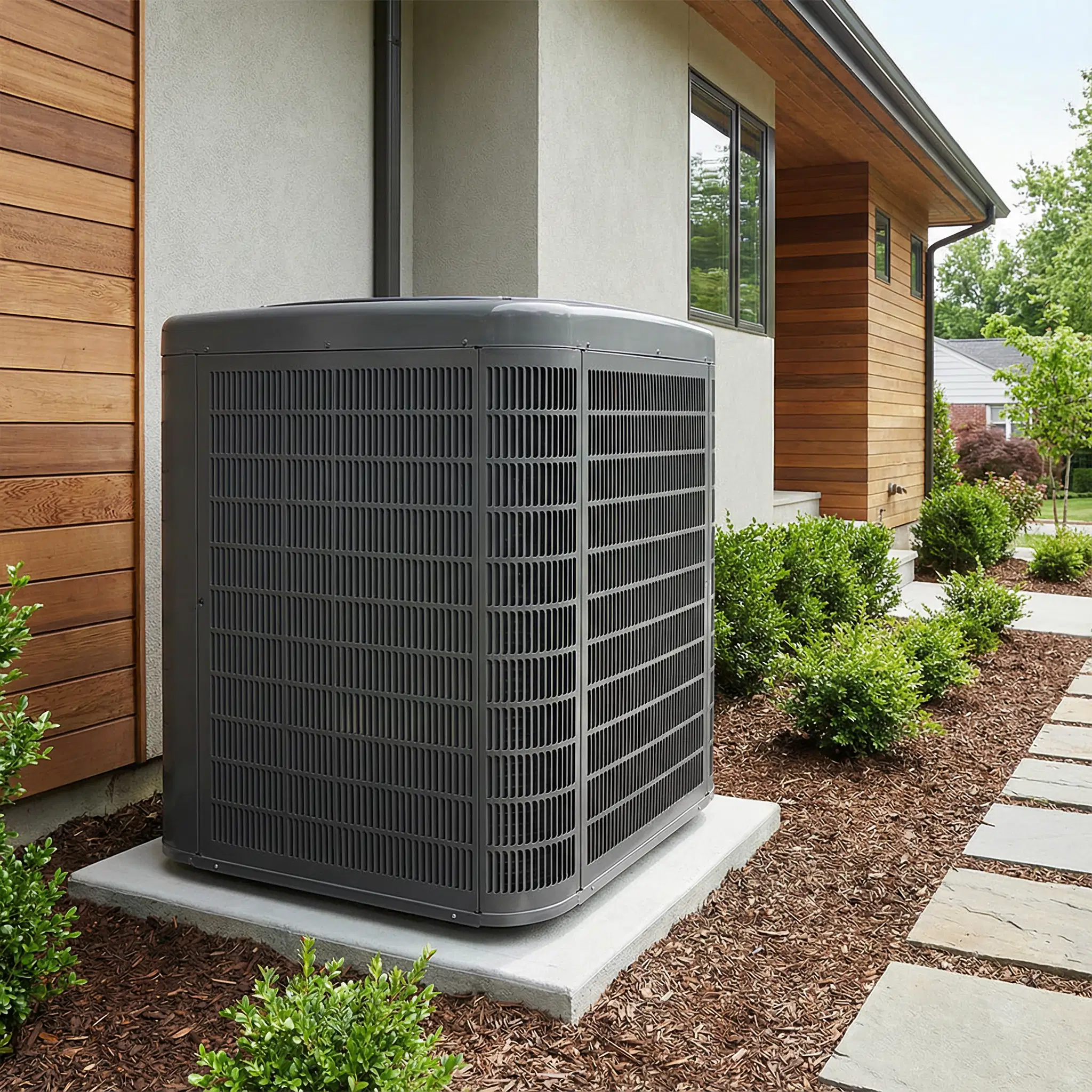
If you hear that your system's refrigerant is being phased out, it’s natural to worry. But here’s the key takeaway: you do not need to replace your existing R-410A system immediately. The phase-out targets the production of new systems containing R-410A and the production of the refrigerant itself. For a time, technicians will still have access to recycled and stockpiled R-410A to service existing units.
However, as the supply dwindles, the cost of R-410A for repairs is expected to rise significantly. This creates a crucial decision point for homeowners:
- For Newer Systems: If your AC is only a few years old and running well, you can continue to maintain it as usual. Regular HVAC service is key to preventing leaks and ensuring longevity.
- For Older Systems (10+ years): If your system is approaching the end of its typical lifespan or requires a major repair (like a compressor or coil replacement), investing hundreds or even thousands of dollars into a system that uses obsolete technology may not be the most financially sound decision. This is the perfect time to consider an upgrade.
Upgrading proactively allows you to move to a more efficient, reliable, and environmentally friendly system on your own terms, rather than being forced into a decision by a sudden breakdown during a summer heatwave.
The Benefits of Upgrading to a Modern System
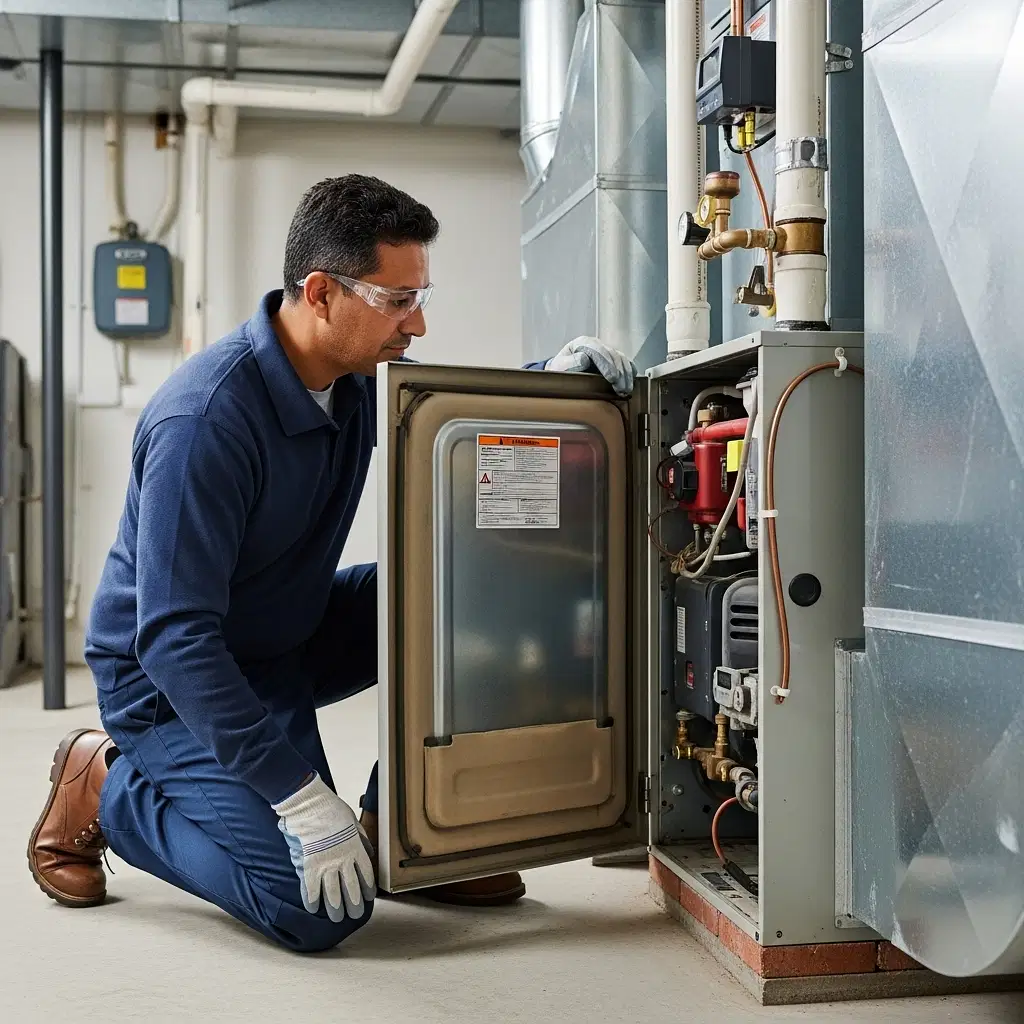
Embracing this change by investing in a new system offers significant advantages, especially given our unique Colorado climate where we can experience four seasons in a day. Reliability isn't just a luxury; it's a necessity.
Here’s what you gain by upgrading:
- Future-Proofing Your Home: A new system using a low-GWP refrigerant like R-454B is compliant with all new standards. You won't have to worry about the rising costs and scarcity of outdated refrigerants for future service needs.
- Enhanced Energy Efficiency: New systems are designed to meet the latest SEER2 (Seasonal Energy Efficiency Ratio 2) standards, which are more stringent than previous ratings. This means your new unit will use less energy to cool your home, leading to tangible savings on your monthly utility bills.
- Improved Reliability and Comfort: A modern HVAC installation provides peace of mind. You get a brand-new unit with a full manufacturer's warranty, advanced features for better temperature and humidity control, and the assurance of dependable performance for years to come.
- Environmental Responsibility: By choosing a system with a low-GWP refrigerant, you are actively reducing your household's environmental footprint and contributing to a healthier planet.
Your Trusted Partner for the Transition
The world of HVAC technology is always evolving, and this refrigerant transition is a major step forward. While it might seem complex, you don't have to navigate it alone. The team at Air Conditioning Plus, Inc. is fully trained and certified to handle both old and new refrigerants safely and effectively.
We are committed to helping our neighbors in the Colorado Springs area make informed decisions that balance budget, comfort, and long-term value. Whether you need service on your current system or want to explore the benefits of a new, high-efficiency unit, we're here to provide honest advice and expert solutions.
If you have questions about your system or are considering an upgrade, contact us today. Let's discuss the future of your home's comfort and find the perfect solution for your needs.