The Essential Winter Maintenance Checklist for Commercial Rooftop HVAC Systems
Winter weather along the Front Range can be highly unpredictable, often swinging from a mild autumn afternoon to freezing temperatures overnight. For local business owners and facility managers, these extreme temperature shifts mean your commercial heating and cooling equipment has to work overtime to keep indoor environments comfortable. Managing overhead costs and protecting tight profit margins is hard enough without factoring in unexpected equipment failure during peak winter demand.
A proactive approach to your commercial rooftop unit heating changeover checklist can prevent catastrophic downtime, optimize energy usage, and keep your space inviting for employees and customers alike. With the ongoing shortage of skilled technicians across the industry, scheduling emergency service in the middle of a blizzard can be difficult and stressful. By prioritizing maintenance now, you secure your place on the schedule and avoid the scramble. In this comprehensive guide, we will walk you through the critical steps for winterizing commercial hvac rooftop units so your business is ready for whatever the season brings.
Start with a Comprehensive Physical Inspection and Cleaning
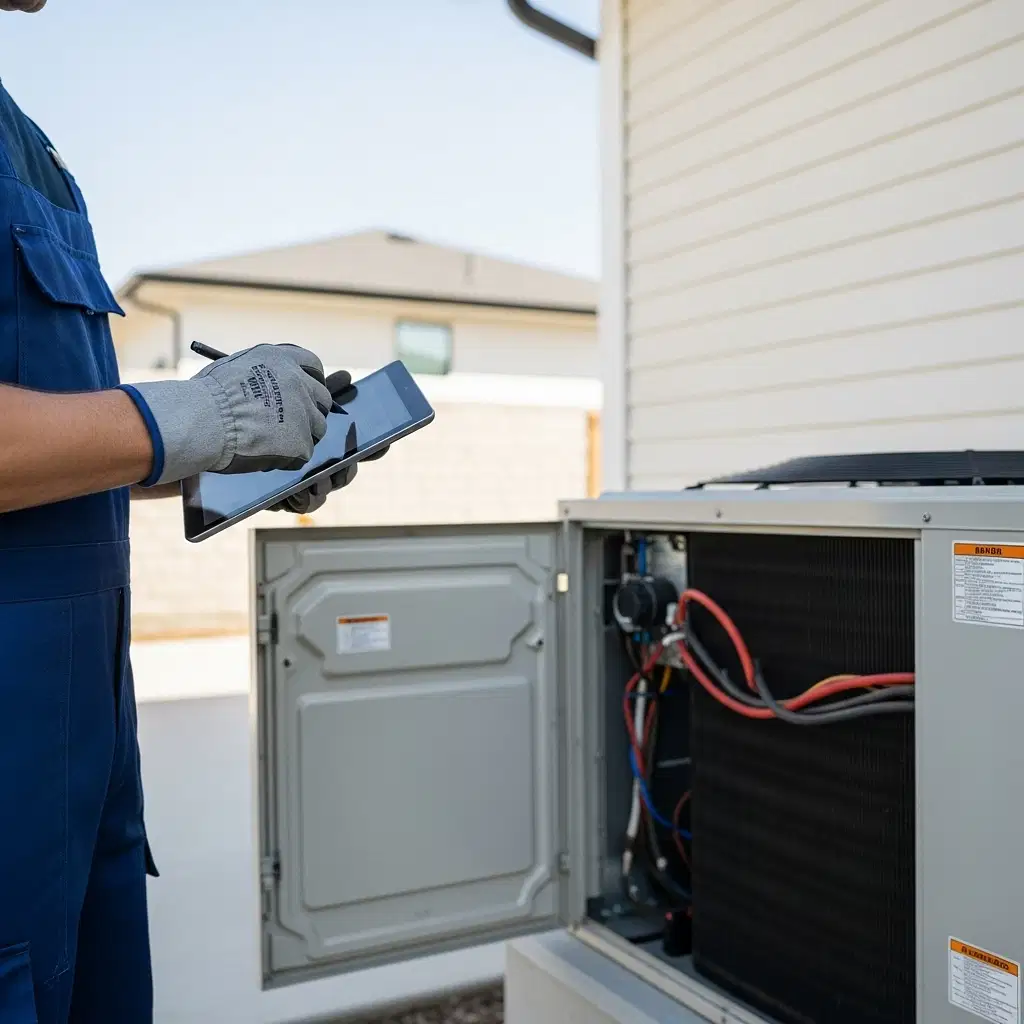
Before the heavy snow arrives, a visual and physical inspection of your rooftop equipment is your very first line of defense. Commercial rooftop units are exposed to the elements year-round, accumulating leaves, dirt, and debris during the summer and fall. If left uncleaned, this debris can block critical airflow, forcing the system to work much harder and driving up your monthly energy bills.
Start by clearing all debris from the unit's exterior and meticulously checking the condition of the cabinet, access panels, and weather seals. Any compromised seals can let freezing moisture inside the unit, leading to severe mechanical issues or electrical shorts. Next, inspect the blower assembly. Belts and pulleys wear down naturally over time, and a snapped blower belt on a freezing January morning means an immediate loss of heat for your building. Replacing worn belts and lubricating bearings now is a relatively small investment that prevents expensive, disruptive emergency calls later.
Additionally, this is the perfect time to replace all air filters and evaluate your building's overall indoor air quality setup. There is a growing consumer and employee demand for advanced indoor air quality solutions, including high-efficiency filtration, UV-C air purifiers, and commercial humidity control systems. Fresh, clean filters not only protect your internal equipment from dust buildup but also promote a healthier, more productive environment for everyone inside the building.
Execute the Heating Changeover and Inspect Gas Lines
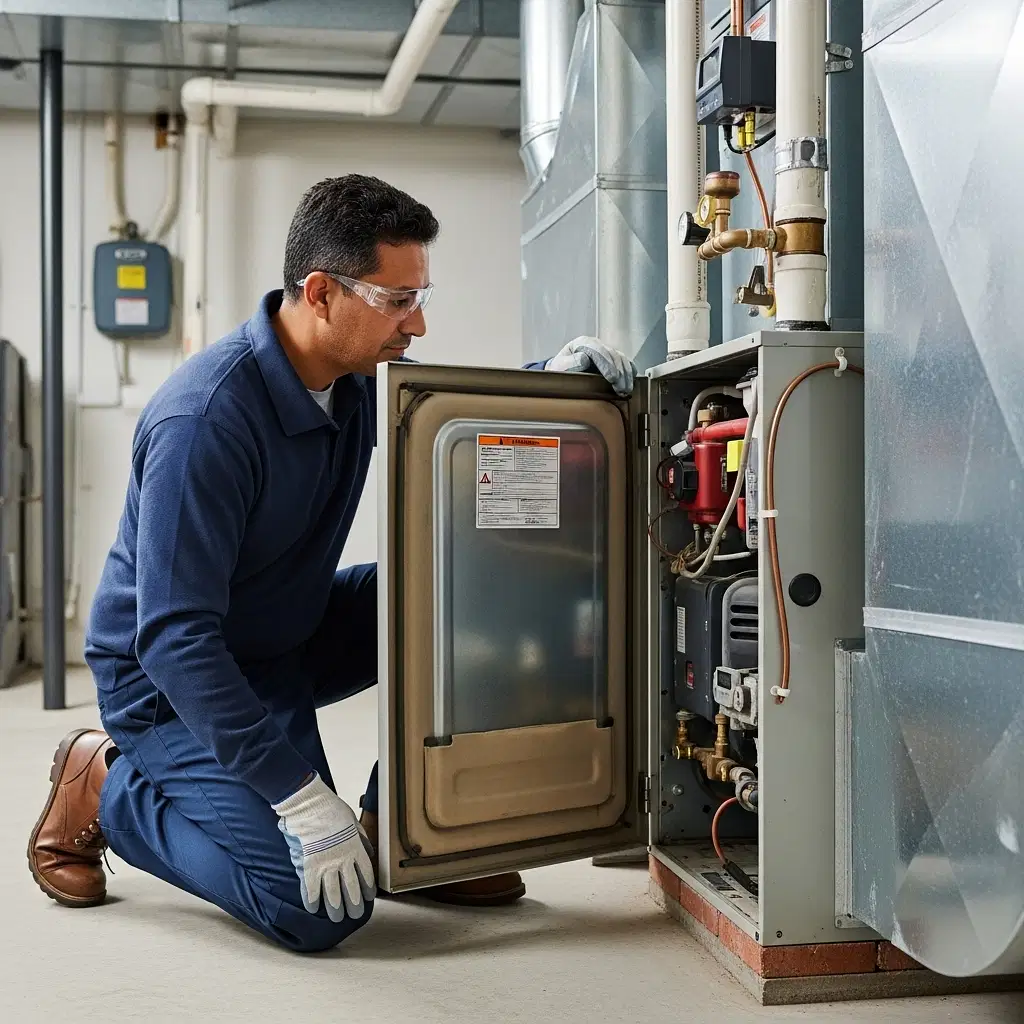
The transition from cooling to heating is a delicate process; it isn't just about flipping a switch on a thermostat. A proper heating changeover requires a meticulous evaluation of the combustion and heating components within your roof-top HVAC systems. The heat exchanger is the heart of your gas-fired heating unit and must be carefully inspected for any cracks or signs of metal fatigue. Even a hairline crack in a commercial heat exchanger can allow dangerous carbon monoxide to enter the building's air supply, posing a severe health risk.
Equally important is conducting a thorough commercial gas line safety inspection for winter. The integrity of your commercial gas piping is critical for both basic safety and system performance. As temperatures drop, any minor vulnerabilities in the gas lines, valves, or pipe connections can become major hazards. A licensed professional should verify that all gas pressure levels are correct, burners are clean and functioning efficiently, and all venting systems are completely clear of obstructions like bird nests or ice buildup. Ensuring these systems are tightly secured and operating within current safety regulations gives you peace of mind, protects your commercial property, and prevents wasteful gas leaks that eat into your profit margins.
Embrace Smart Technology and Regulatory Compliance
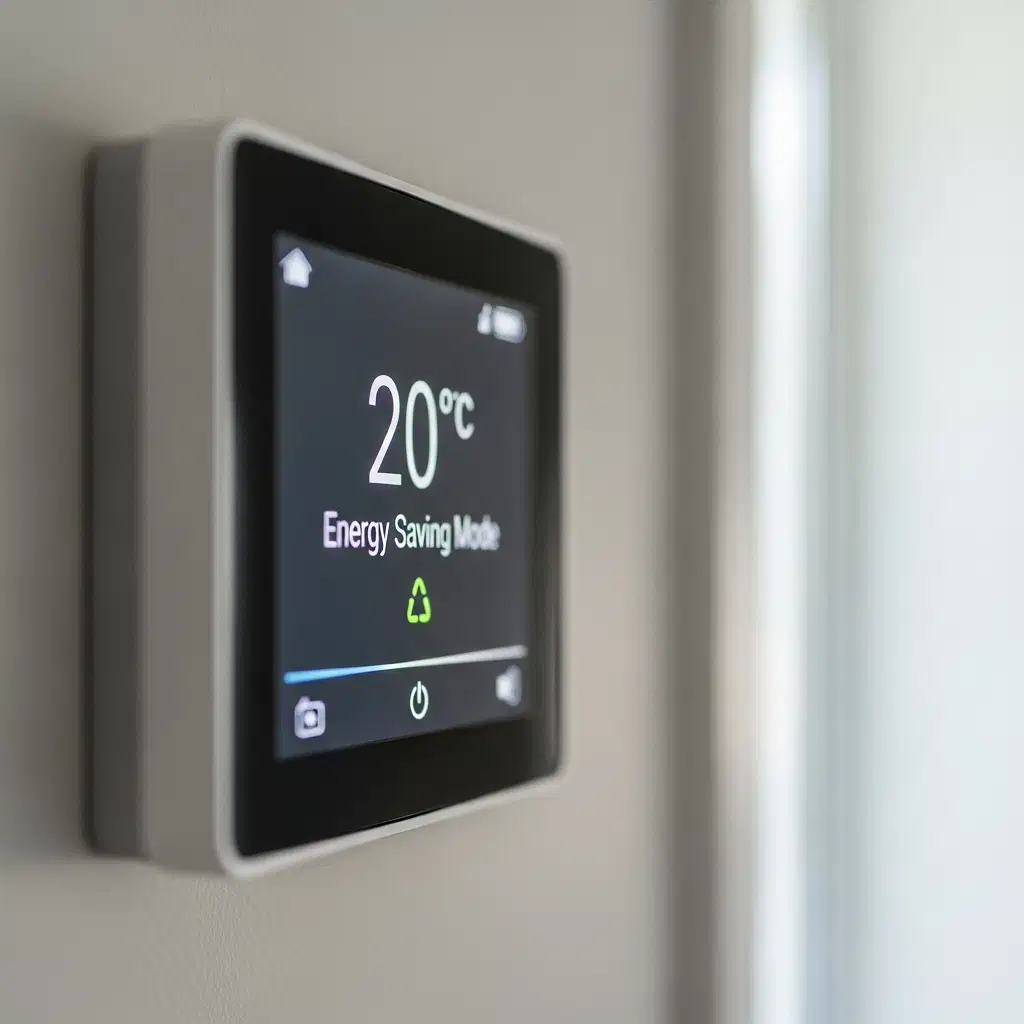
Modern commercial HVAC management is rapidly evolving, heavily driven by innovations in smart building technology. Integrating IoT-enabled diagnostics and advanced smart thermostats allows you to monitor your rooftop units remotely, even on a bright Bluebird Day when you are away from the office. Instead of waiting for a system to fail completely, predictive maintenance systems can alert you to minor performance drops before they turn into full-scale breakdowns. This level of precise control is especially valuable during extreme demand spikes, helping you balance indoor comfort with strict energy conservation goals.
Furthermore, the commercial HVAC industry is currently undergoing significant regulatory shifts, such as the phase-down of older, high-GWP refrigerants and the transition to eco-friendly alternatives. Keeping your equipment expertly maintained ensures you stay compliant with these changing environmental regulations while maximizing the lifespan of your current systems. Properly maintained equipment naturally operates more efficiently, which is the absolute most effective way to combat fluctuating utility costs and keep your operational overhead manageable throughout the year.
Schedule Your Winter Maintenance Today
Do not wait until the first major winter storm to find out if your building's heating system is truly up to the task. Proactive, seasonal maintenance is a direct investment in your business's continuity, safety, and bottom line. If you need assistance preparing your facility for the colder months, the dedicated team at Air Conditioning Plus, Inc is here to help. From comprehensive system inspections to ensuring your commercial piping is completely safe and secure, our experienced technicians have the expertise to keep your business running smoothly all season long. Contact us today to schedule your service in Colorado Springs and ensure your rooftop units are fully winter-ready.