
Preparing Your Commercial Chillers for Freezing Weather on the Front Range
If you manage a commercial property or facility in Colorado Springs, you already know that our weather is anything but predictable. We can easily experience a gorgeous, sunny Bluebird Day that rapidly plummets into freezing temperatures by nightfall. While we might enjoy the variety, this constant shifting of temperatures can wreak havoc on commercial HVAC equipment. As the colder months approach, business owners and facility managers must prioritize preparing their commercial chillers and cooling systems for freezing weather.
Failing to properly prepare your equipment doesn't just risk a temporary shutdown; it can lead to catastrophic damage, severely impacting your company's financial profitability and daily operations. When extreme demand spikes hit our area, parts and labor become scarce. Staying proactive ensures that your facility maintains steady operations without the stress of emergency repairs or unexpected capital expenditures.
In this guide, the experts at Air Conditioning Plus, Inc will walk you through the essential steps of winterizing your systems, from executing commercial chiller shutdown freeze protection procedures to preventing commercial HVAC water loop freeze damage.
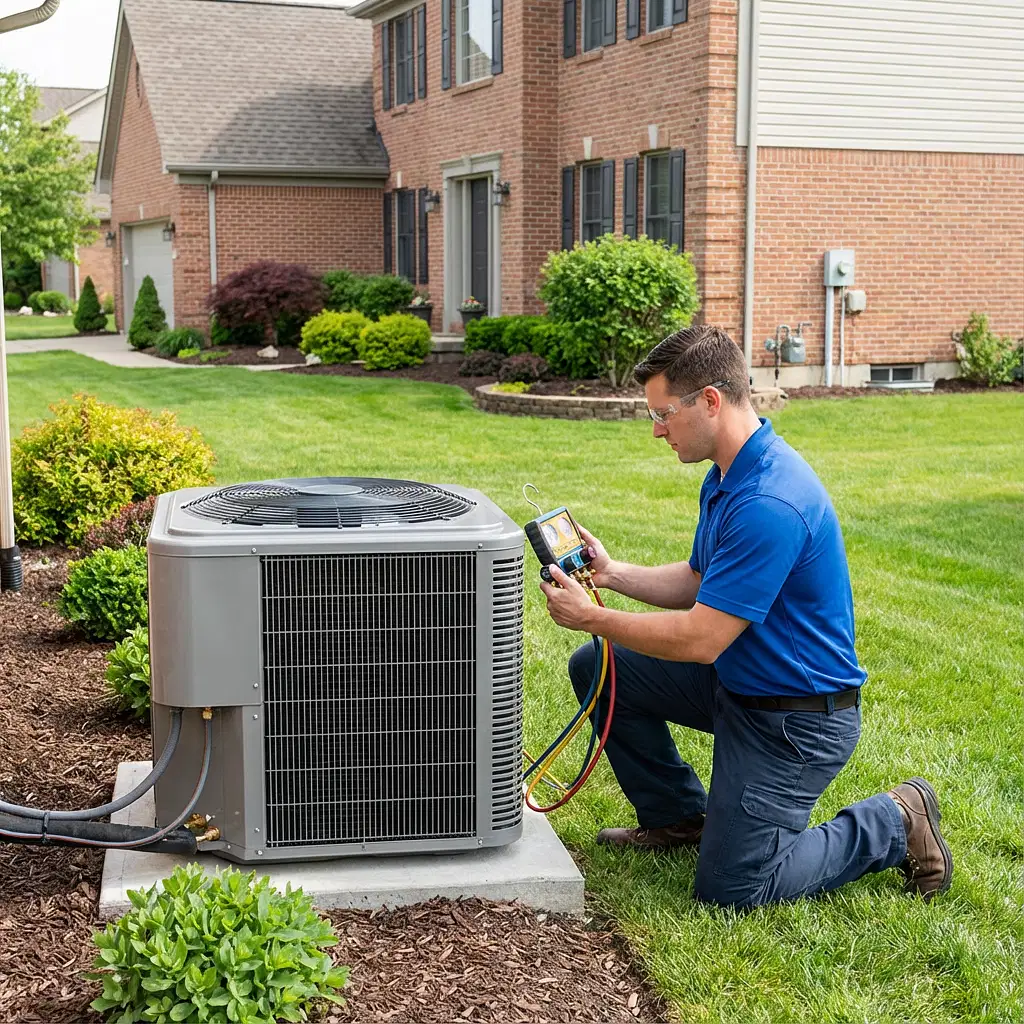
The High Cost of Ignoring Freeze Protection
Water expands by about nine percent when it freezes. In the enclosed environment of a commercial chiller or piping system, this expansion generates immense pressure that can easily burst copper tubes, crack cast-iron pump housings, and destroy vital heat exchangers. Preventing commercial HVAC water loop freeze damage is critical because the aftermath of a ruptured loop involves not only replacing expensive parts but also dealing with extensive water damage to your facility.
For businesses operating in the High Country and along the foothills, the drop in temperature is inevitable. When you invest in Commercial Chillers, you are making a substantial capital investment. Protecting that investment requires a comprehensive winterization strategy.
When a freeze event occurs without preparation, the resulting downtime can completely halt your operations. Scheduling emergency dispatch during the first major freeze of the year often means waiting, as skilled technicians are stretched thin across the region handling similar crises. Implementing a proactive maintenance plan helps you avoid these logistical nightmares and keeps your overhead costs predictable.
How to Winterize Commercial Cooling Towers
Winterizing your cooling tower is a multi-step process that requires precision and a thorough understanding of your specific system. Knowing how to winterize commercial cooling towers properly ensures that when Mud Season arrives and you need to bring your systems back online, everything functions at peak performance.
First, the system must be completely drained. Any residual water left in the basin, fill media, or piping is a liability. It is highly recommended to use compressed air to blow out the lines, ensuring that no hidden pockets of moisture remain in the lower sections of the piping.
Next, you need to address the mechanical and electrical components. If your system is designed to operate continuously through the winter (often the case for data centers or certain manufacturing facilities), you will need to rely heavily on basin heaters. Cooling tower basin heater troubleshooting is an essential skill for facility managers. You should routinely verify that the thermostat and contactors are functioning correctly, the heating elements are free of scale buildup, and the water temperature is being maintained above freezing.
For systems that will be entirely shut down, power should be secured, and the system should be isolated to prevent accidental water flow. Covering the tower fan opening can also prevent snow accumulation and debris from entering the system during heavy winter storms. If you need assistance configuring these systems, our team specializes in Commercial cooling towers and can ensure your equipment is safe from the elements.
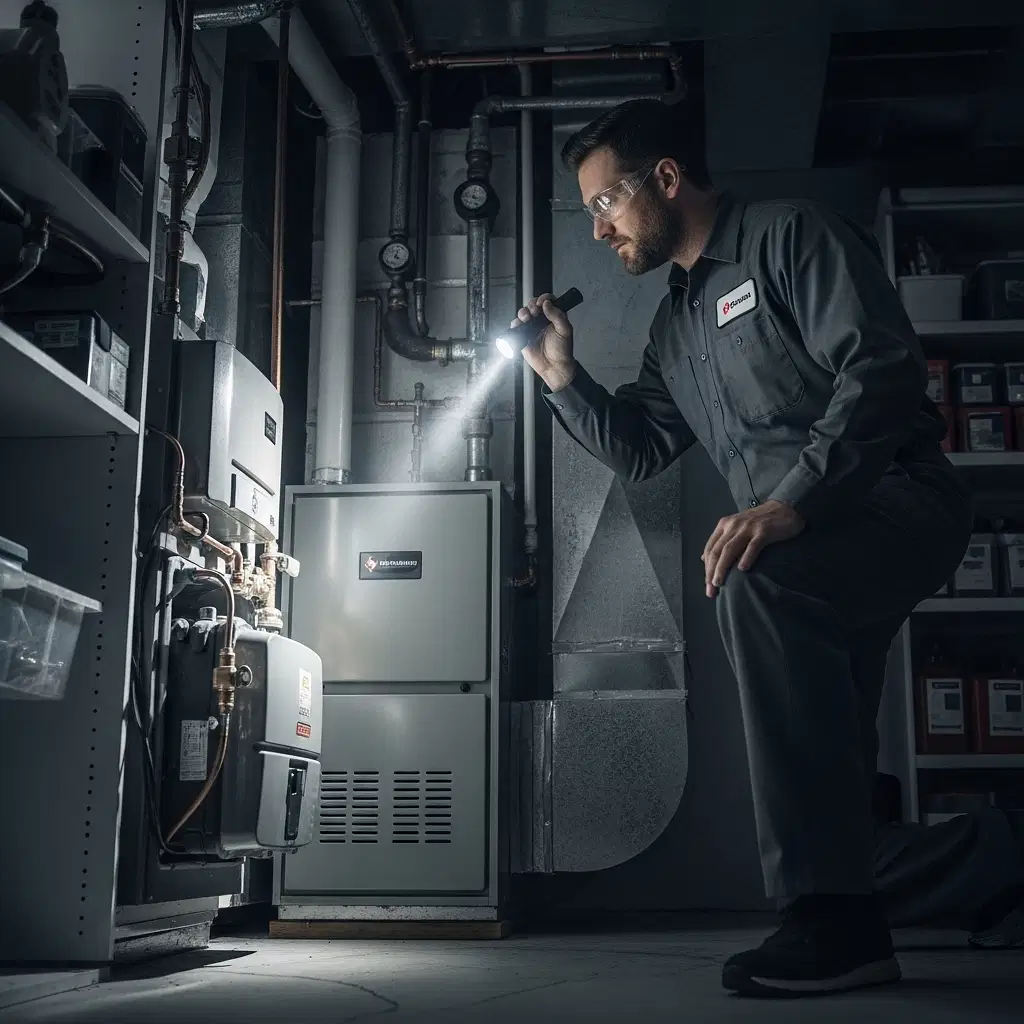
Protecting Commercial Pumps and Ancillary Equipment
While the main chiller unit and cooling tower often get the most attention, the ancillary equipment is just as vulnerable to cold weather. Your Commercial pumps are the heart of the water loop, and if they freeze, the entire system is compromised.
Proper commercial chiller shutdown freeze protection procedures must include draining the pump casings. Many pumps have specific drain plugs at their lowest points designed exactly for this purpose. However, simply removing the plug isn't always enough; verifying that the internal volute is completely dry is essential.
Additionally, inspect the insulation on all exterior piping. Over the summer, insulation can degrade due to UV exposure, physical damage, or general wear and tear. Replacing compromised insulation and ensuring that heat tape is functioning properly will provide a crucial line of defense against unexpected cold snaps. It is also wise to check the glycol concentration in your closed-loop systems. A proper glycol-to-water ratio lowers the freezing point of the fluid, offering a buffer if temperatures drop below the system's design threshold.
Achieve Peak Performance This Winter
Managing a commercial facility is challenging enough without the added stress of failing HVAC equipment. By taking the time to properly winterize your chillers, cooling towers, and pumps, you safeguard your business against severe revenue drops and operational headaches. Think of it like climbing one of our local 14ers: success depends entirely on the preparation you put in before you ever face the harshest conditions.
At Air Conditioning Plus, Inc, we understand the unique environmental challenges our region presents. Our team of certified technicians is here to help you navigate changing regulations, improve your system's efficiency, and protect your vital infrastructure.
Don't wait for the first hard freeze to realize your system is vulnerable. If you need expert assistance preparing your commercial HVAC equipment for the winter months, reach out to us today via our Contact Us page. We are ready to help you maintain a safe, comfortable, and efficient environment for your business all year long.