
Calibrating High Altitude Furnaces for Peak Efficiency
Living in the shadow of the Rocky Mountains brings incredible views, but it also comes with unique challenges for home comfort. As the crisp autumn air turns into freezing winter nights, your heating system works overtime. If you live in Colorado Springs or the surrounding high-elevation areas, standard out-of-the-box heating equipment simply won't run efficiently. At Air Conditioning Plus, Inc, we know that proper high-altitude tuning is the secret to keeping your home warm and your utility bills manageable when Front Range weather takes a sudden turn.
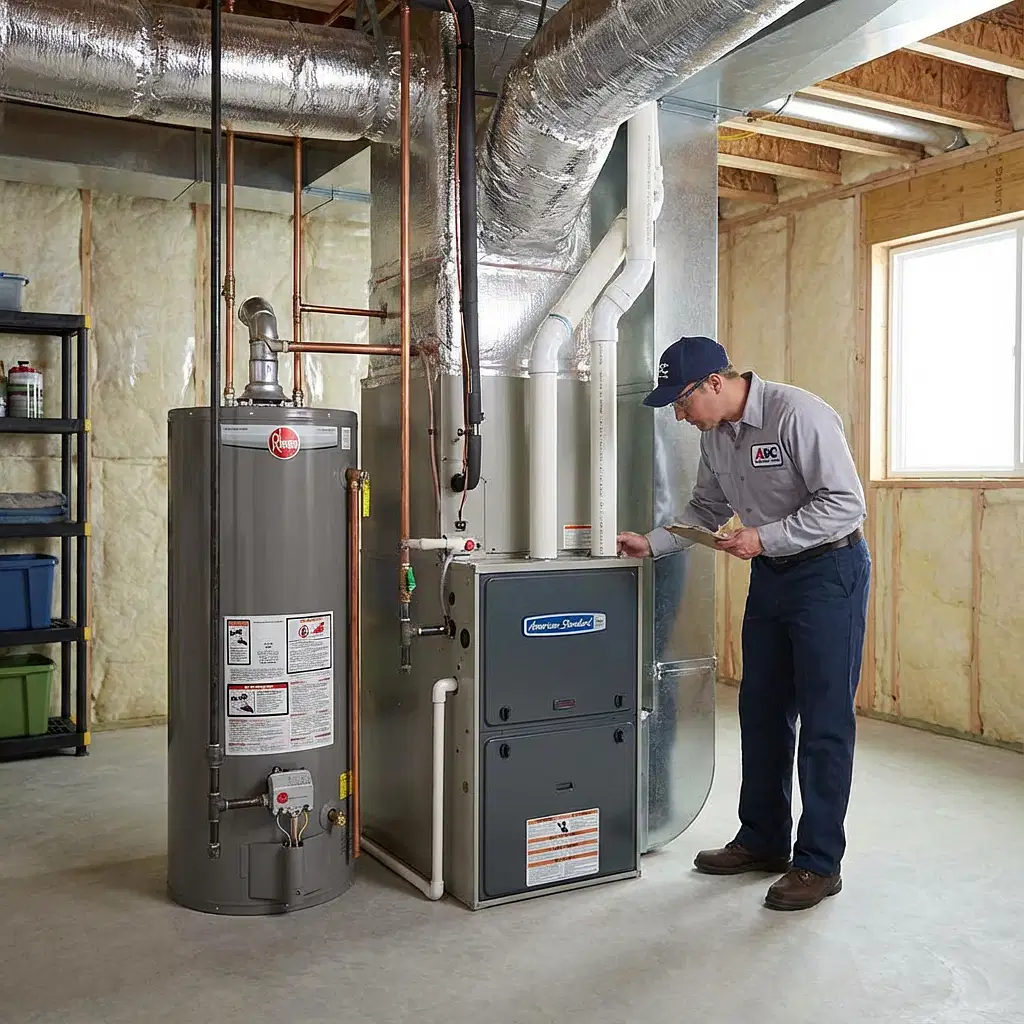
Why Thinner Air Demands a Different Approach
At elevations over 4,000 feet, the air contains significantly less oxygen. Since gas furnaces rely on a highly specific ratio of fuel to oxygen for proper combustion, the thinner air of the Pikes Peak region throws that factory-set ratio off balance. When standard furnaces are installed without adjustments, they run "rich"—meaning there is too much gas and not enough oxygen. This can lead to overheating, cracked heat exchangers, and even serious carbon monoxide risks.
This is why understanding correct furnace sizing for high altitude homes is essential. A unit that is perfectly sized for a home at sea level will inherently output less heat up here due to the decreased oxygen density. Our team accounts for this capacity loss when designing furnace systems tailored to your exact square footage and elevation, whether your home is nestled in the Black Forest or situated closer to the foothills.
The Science of Furnace Derating
To prevent overheating and fuel waste, manufacturers require a specific high altitude furnace derating calculation for homes in our area. Derating simply means reducing the burner's fuel input so it matches the lower oxygen levels available in the air.
Calibrating a gas furnace for high elevation involves changing the burner orifices to smaller sizes or making precise adjustments to the gas manifold pressure. This careful calibration ensures a clean, steady flame that maximizes heat output without overworking the internal components. Because of strict building codes and the precise nature of the work, this is never a DIY project. Proper tuning not only extends the lifespan of your equipment but also helps insulate you from rising energy costs by squeezing every drop of efficiency out of your system.
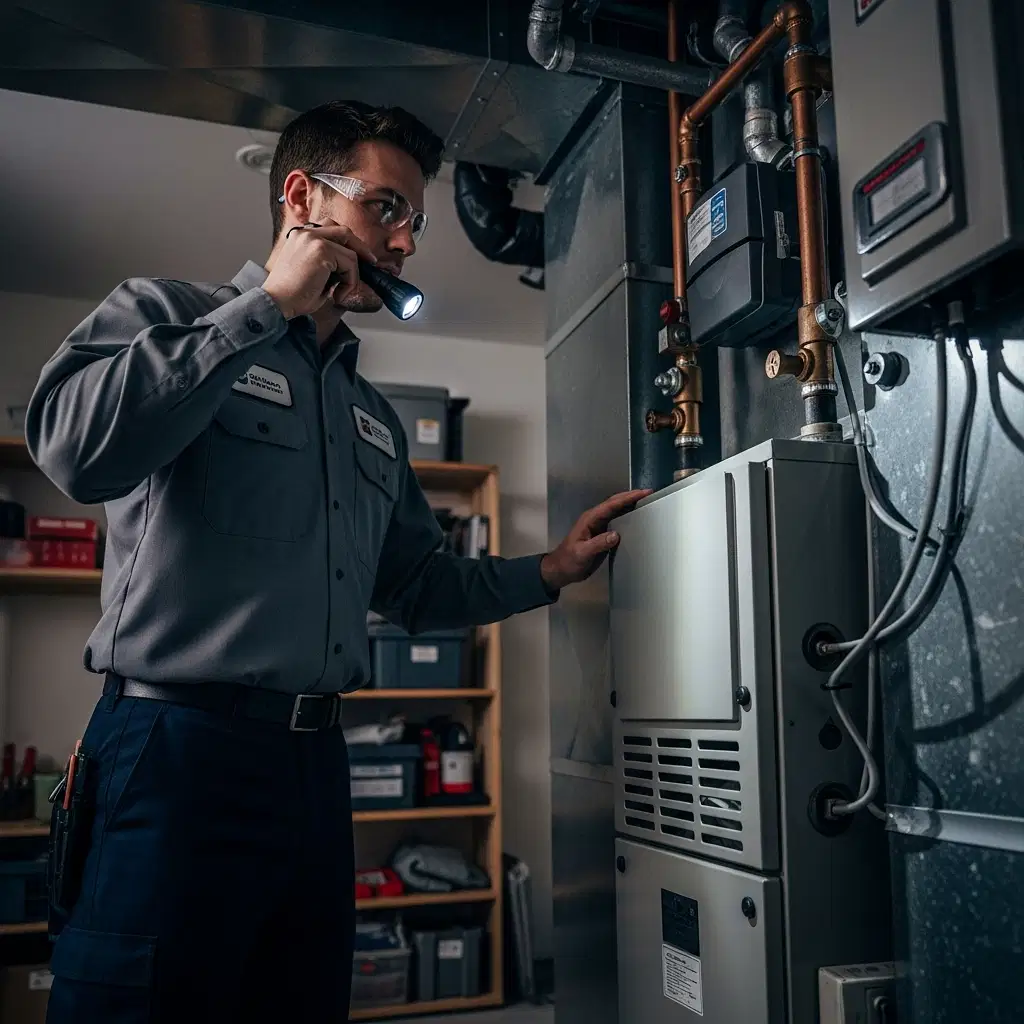
Signs Your System Is Struggling
How do you know if your heating equipment is properly calibrated for our elevation? Keep an ear out for loud, booming noises when the system kicks on, which can indicate delayed ignition caused by poor combustion. You might also notice frequent on-and-off cycling, soot buildup around the exhaust vent, or utility bills that seem unusually high despite normal usage.
Regular furnace service is critical to catching these issues early. We see the heavy toll that extreme temperature swings and sudden Chinook winds take on local heating equipment. A thorough pre-season inspection ensures your unit is running safely and efficiently before the deep freeze sets in, preventing a sudden breakdown during a winter storm.
Expert Installation and Care for Mountain Communities
Handling the complex logistics of home heating in our varied terrain requires genuine local expertise. Large national chains often rely on third-party subcontractors who might miss the nuanced adjustments required for our specific climate. We pride ourselves on delivering transparent, high-quality HVAC installation and maintenance designed exclusively for this environment, with upfront pricing and zero hidden fees.
Don't wait until the first major snowstorm to find out your heating system isn't up to the task. Contact Air Conditioning Plus, Inc today to schedule your seasonal tune-up and ensure your home stays perfectly comfortable all winter long in Colorado Springs.